Hippie Graphics and Illustrations
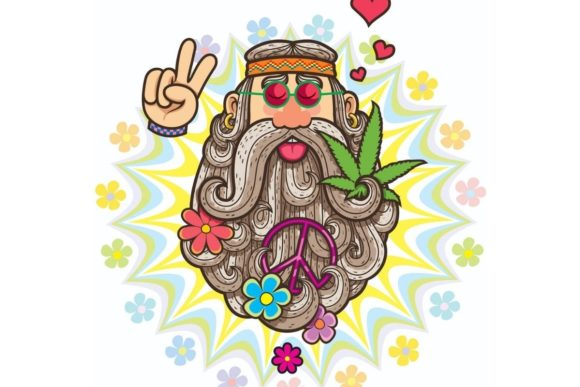
Hippie is a fun cartoon illustration of a hippie man with flowers, a peace symbol, and a cannabis leaf. This graphic design asset brings a playful and nostalgic vibe that can enhance a variety of content projects. As a blog designer and digital publisher, I've seen how the right visual elements can transform a website's look and feel, and Hippie offers a unique opportunity to add character and personality to editorial content.
First Impression and Editorial Mood
The first thing you notice about Hippie is its vibrant and whimsical style. The character exudes a laid-back, artistic energy that feels at home in lifestyle, wellness, and creative niches. It has a strong visual identity that can help set the tone for content focused on self-expression, mindfulness, or alternative lifestyles. The use of flowers, a peace symbol, and a cannabis leaf adds layers of meaning that can resonate with readers looking for authentic and expressive content.
This illustration isn't just for fun—it can also serve as a powerful tool in editorial design. Its bold colors and clear composition make it ideal for creating a strong visual hierarchy, especially when paired with text. Whether used as a featured image or a social media graphic, Hippie helps draw attention and convey a specific mood that aligns with your brand's voice.
Real Publishing Use Cases
Hippie can be used across a wide range of publishing needs. For bloggers, it's a great option for blog graphics, especially for posts related to personal growth, creative expression, or alternative living. As a Pinterest pin, it can catch the eye of users browsing for inspiration, making it an effective tool for content marketing.
When designing a website header or a newsletter banner, Hippie adds a touch of creativity that stands out without overwhelming the reader. It works well as a lead magnet or a downloadable printable, offering a visually appealing way to engage audiences. In digital guides or e-books, it can act as a recurring visual element that reinforces brand identity and makes the content more engaging.
For affiliate marketers, this graphic design asset can be a valuable addition to social media graphics and ad visuals. Its friendly and approachable style can help build trust with the audience while promoting products or services in a non-intrusive way.
Supporting Content Performance
Using Hippie in your content can significantly improve the first impression of your work. A strong visual element like this can increase click-through rates by making your content more attractive and shareable. It also helps create a clearer visual hierarchy, guiding the reader's eye through the page and improving readability.
Consistent branding is essential for building a professional-looking website, and Hippie can be part of that visual language. Whether used in a blog post, a downloadable resource, or a social media preview, it adds a cohesive and recognizable element that strengthens your brand identity.
Additionally, Hippie can help with category recognition. If your website covers topics like wellness, art, or lifestyle, using this illustration consistently can make it easier for readers to identify and navigate your content. It also contributes to a stronger visual identity, which is crucial for small business branding and digital product development.
Where Hippie Works Best
Hippie shines in hero images, article thumbnails, and Pinterest pins where visual impact is key. It's also a great fit for blog graphics, editorial accents, and content upgrades that require a creative and engaging look. As a Canva template or a digital guide, it offers flexibility and ease of use for designers and publishers alike.
It’s particularly effective as a newsletter header or a social media preview, where a strong visual can make all the difference in capturing attention. When used in downloadable resources like worksheets or printables, it adds a touch of personality that makes the content more appealing and memorable.
Where to Use Carefully
While Hippie is a versatile design asset, it may not be suitable for every situation. On small mobile thumbnails, the details might get lost, so it's important to test it on different screen sizes. In text-heavy blog images, it could compete with the content rather than complement it.
Low-contrast backgrounds or busy layouts may dilute the impact of the illustration. Additionally, in serious professional niches or corporate content, Hippie's playful style might not align with the desired tone. If your website uses a minimal visual system, this illustration could feel out of place.
Practical Publisher Notes
Before incorporating Hippie into your content, test it on both desktop and mobile screens to ensure it looks good across all devices. Check how it appears as a thumbnail and preview it within a real blog layout to see how it interacts with other elements.
Test it with headline text to see if the visual and text work well together. Check contrast and readability, and try it in black and white to see how it holds up without color. Place it beside different font styles—serif, sans serif, script, handwritten, and display—to evaluate its versatility.
Review the file size for web performance and compress the image properly to maintain quality without slowing down your site. Always confirm the commercial license before using it on monetized websites, affiliate pages, or paid content products.
Hippie is a valuable addition to any creative designer's toolkit. Whether you're working on a blog, a digital guide, or a social media campaign, this graphic design asset can elevate your content and help you stand out in a competitive digital landscape. With thoughtful application, it can become a key part of your editorial design and brand identity strategy.