Minimal Flower Review
As an embroidery designer and product reviewer, I always start by evaluating a design’s visual appeal, practicality, and versatility. Minimal Flower caught my attention with its soft, watercolor-style aesthetic and the promise of being usable across various projects. Let me walk through how it performs in real-world embroidery scenarios and what to consider before using it in your own work.
The First Impression: A Delicate Balance
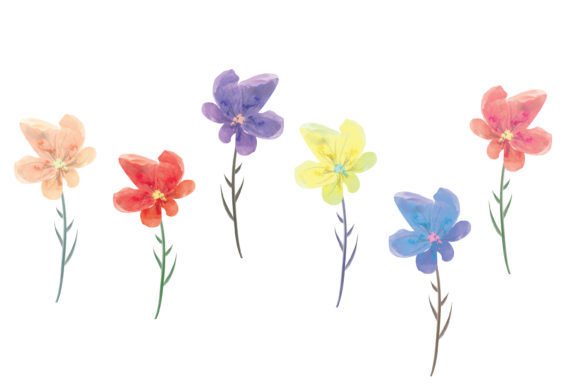
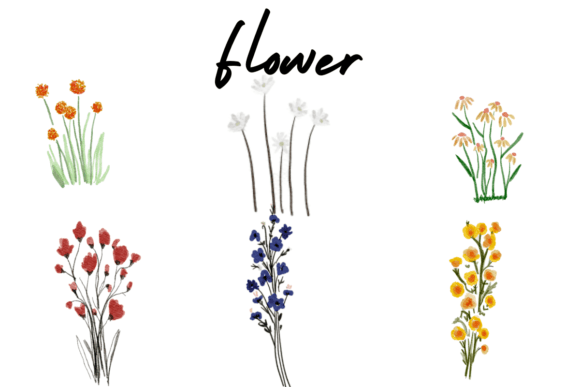
Minimal Flower immediately evokes a sense of calm and simplicity. The design features seven small, cute flowers with gentle outlines and subtle shading. It feels like a springtime breeze—light, airy, and perfect for anything that needs a touch of nature without overwhelming the space. The layout is clean, with each flower placed in a way that doesn’t feel crowded but still has enough detail to stand out.
This design would naturally fit into projects that aim for a soft, organic look. Think of a handmade baby onesie, a personalized tote bag, or a simple wall art piece. It’s not overly intricate, which makes it ideal for beginners or those who want to focus on the overall composition rather than complex details.
Real-World Embroidery Performance
When testing Minimal Flower on different fabrics, I found it works well on light to medium-weight materials like cotton, linen, and woven blends. The design’s low stitch density means it won’t cause puckering or distortion on delicate fabrics, making it a good choice for baby clothes or lightweight apparel.
One of the key considerations when using this design is the hoop size. Since it’s relatively small, it should fit comfortably in most standard hoops. However, if you’re planning to use it on a larger item like a sweatshirt or apron, you might need to adjust the placement or consider splitting the design into sections.
For custom apparel, Minimal Flower adds a subtle yet elegant touch. It’s great for a tote bag design or a sweatshirt embroidery that doesn’t dominate the garment. The soft lines and minimal detailing make it versatile enough to pair with other patterns or text, allowing for creative combinations.
Where to Be Cautious
While Minimal Flower is generally easy to work with, there are a few areas where care is needed. On textured fabrics or thin materials, the design might not show up as clearly. You may need to adjust the stitch density or use a stabilizer to ensure the embroidery stays crisp and defined.
On dark fabrics, the design might appear too faint unless you choose a contrasting thread color. I recommend testing it on both light and dark backgrounds to see how it looks in different contexts. This is especially important if you're selling finished products, as customer expectations can vary based on fabric choice.
For items that will be washed frequently, such as tea towels or pillow covers, it’s wise to test the design’s durability. While the file itself is likely well-structured, the longevity of the embroidery depends on proper stitching techniques and quality thread.
Impact on Visual Appeal and Customer Perception
Minimal Flower enhances the visual appeal of any project it’s used on. Its soft, natural look gives a handmade feel that customers often appreciate. For small shop products or Etsy listings, this design can add a unique touch that sets your work apart from mass-produced options.
When used on personalized gifts or custom apparel, it conveys a sense of thoughtfulness and care. Customers are more likely to trust a handmade product that feels intentional and well-designed. This can increase buyer engagement and encourage repeat business.
From a branding perspective, Minimal Flower is a safe choice for businesses that want to maintain a consistent, approachable image. It fits well with eco-friendly, minimalist, or nature-themed brands, making it a valuable addition to your design assets.
Practical Designer Notes
Before committing to a project, I always recommend testing the design on scrap fabric. This helps you understand how the stitches will look and whether adjustments are needed. Pay attention to the thread colors you choose—some shades may not show up as well as others, especially on darker backgrounds.
Also, check the stitch density. If the design feels too sparse, you might want to add a running stitch or fill in some areas for better definition. Conversely, if it’s too dense, you could simplify parts of the design to avoid bulkiness.
Make sure to confirm the licensing terms if you plan to sell finished products or digital files. Even though this is listed as a freebie, understanding the usage rights is crucial for commercial projects.
Final Thoughts
Minimal Flower is a versatile and charming design that offers a lot of potential for creative use. Whether you’re working on a custom apparel project, a craft fair booth, or a digital product for sale, it can add a touch of elegance without being overwhelming.
Its simplicity makes it easy to integrate into a variety of designs, and its soft aesthetic appeals to a wide range of customers. Just be mindful of the fabric type, hoop size, and thread contrast to ensure the best results.